

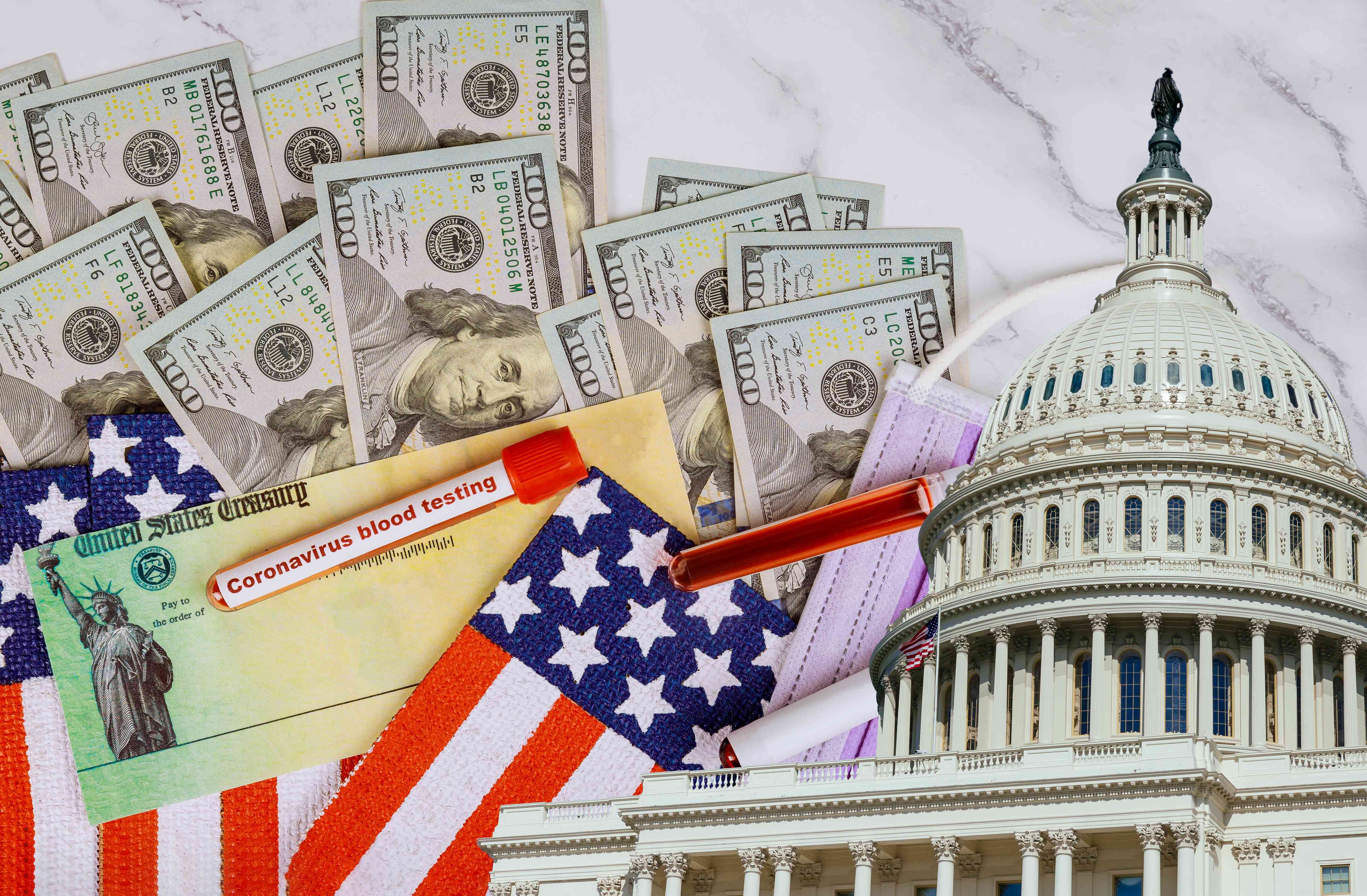
The Economic Relief Bill, a significant piece of legislation recently enacted, represents a comprehensive effort by the government to address economic challenges and stimulate recovery across various sectors. This bill, aimed at mitigating the adverse effects of economic downturns, encompasses a wide range of provisions designed to provide immediate assistance and foster long-term growth. Here’s a detailed look at its main goals and anticipated impact on the economy:
1. Stimulating Economic Growth
Objective: One of the primary goals of the Economic Relief Bill is to stimulate economic growth and recovery. By injecting funds into key areas, the bill aims to boost consumer spending, enhance business investments, and support economic stability.
Key Provisions:
- Direct Payments to Individuals: The bill includes stimulus checks for eligible citizens, providing them with immediate financial relief to support their spending and address basic needs.
- Tax Relief Measures: Temporary tax cuts and credits are introduced to increase disposable income for individuals and reduce the tax burden on businesses, thereby encouraging spending and investment.
2. Supporting Small Businesses
Objective: The bill is designed to offer targeted support to small businesses that have been significantly impacted by economic disruptions. Small businesses play a crucial role in the economy, and their recovery is essential for overall economic health.
Key Provisions:
- Grants and Loans: Small businesses can access grants and low-interest loans to cover operational costs, payroll, and other essential expenses. This financial aid is intended to help them stay afloat and retain employees.
- Tax Incentives: The bill provides tax incentives for businesses that hire or retain employees, thereby encouraging job creation and workforce stability.
3. Enhancing Unemployment Benefits
Objective: To address the rise in unemployment rates, the Economic Relief Bill expands and extends unemployment benefits, ensuring that individuals who have lost their jobs have access to adequate financial support.
Key Provisions:
- Extended Unemployment Insurance: The bill extends unemployment insurance benefits for an additional period, providing a safety net for those who remain unemployed.
- Increased Benefit Amounts: Benefits are increased to better reflect the cost of living and provide more substantial support to unemployed individuals and their families.
4. Investing in Healthcare
Objective: The bill aims to strengthen the healthcare system, which is vital for managing public health crises and ensuring that healthcare services remain accessible to all.
Key Provisions:
- Funding for Healthcare Providers: Additional funding is allocated to hospitals and healthcare facilities to address increased demand and support ongoing operations.
- Support for Public Health Initiatives: Investment in public health initiatives, including vaccine distribution and research, is enhanced to manage and prevent health crises effectively.
5. Supporting Education and Workforce Development
Objective: Recognizing the importance of education and skill development, the bill allocates resources to support educational institutions and workforce training programs.
Key Provisions:
- Educational Grants and Loans: Increased funding is provided for educational grants and student loans to help individuals pursue higher education and vocational training.
- Workforce Development Programs: Investment in job training and development programs aims to equip individuals with the skills needed to thrive in the evolving job market.
6. Enhancing Infrastructure and Public Services
Objective: To promote long-term economic growth, the bill includes provisions for infrastructure improvements and investment in public services.
Key Provisions:
- Infrastructure Projects: Funding is allocated for infrastructure projects, including transportation and public utilities, to create jobs and improve economic efficiency.
- Community Support Services: Investments are made in community services, such as public transportation and local development projects, to enhance quality of life and support economic activity.
7. Addressing Housing and Rent Issues
Objective: The bill addresses housing stability and affordability, recognizing the challenges faced by homeowners and renters.
Key Provisions:
- Rental Assistance Programs: Support is provided for rental assistance programs to help individuals and families facing housing insecurity.
- Homeowner Relief: Financial assistance and mortgage relief options are available to homeowners struggling to meet their obligations.
The Economic Relief Bill represents a multifaceted approach to economic recovery, with targeted measures designed to support individuals, businesses, and communities. By addressing immediate needs and investing in long-term growth, the bill aims to foster economic stability, reduce inequality, and pave the way for a more resilient economy.