

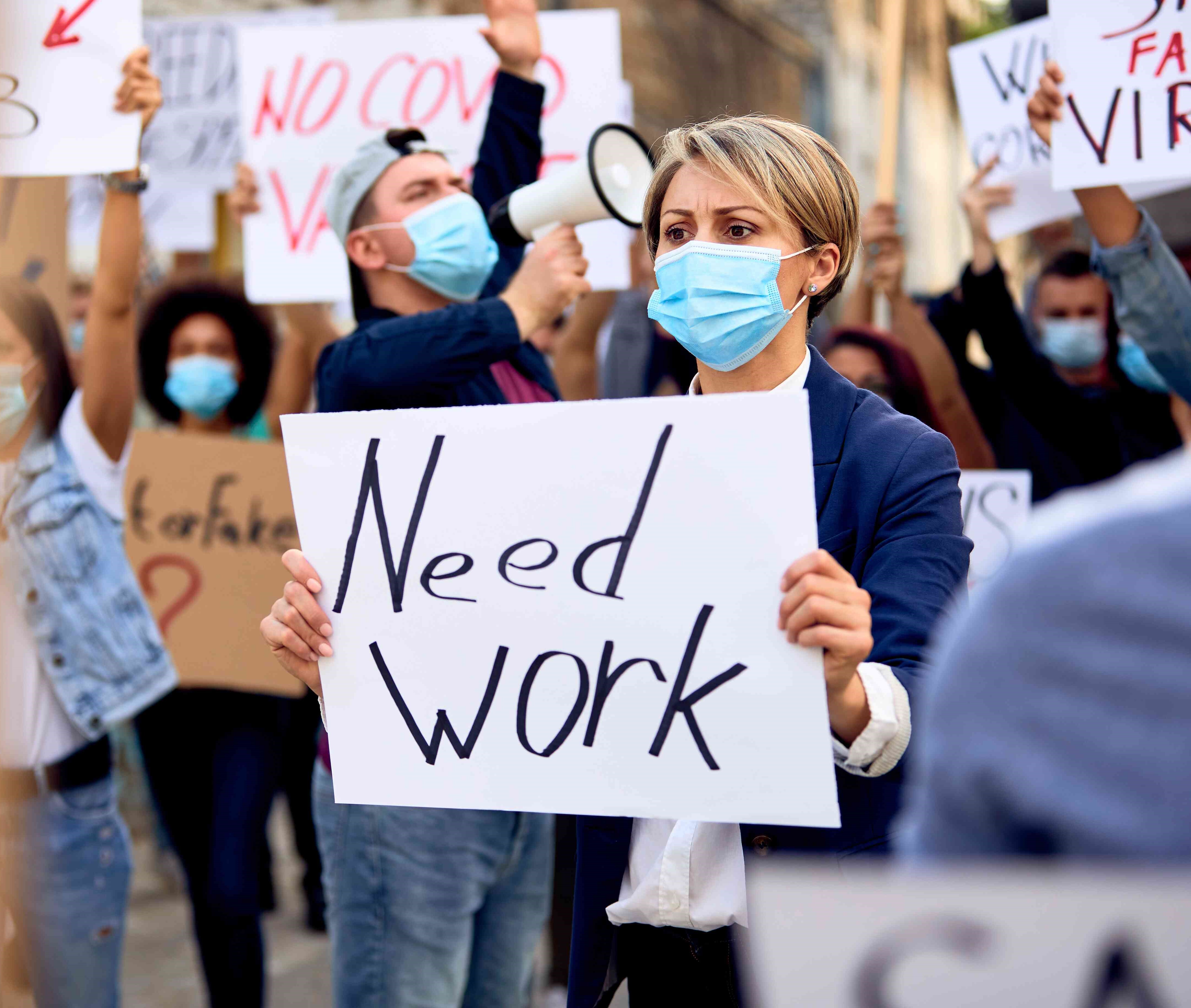
Unemployment is a critical issue with wide-ranging economic and social implications. The Economic Relief Bill includes several targeted measures aimed at reducing unemployment rates, supporting job seekers, and fostering job creation. Here’s an in-depth look at the key provisions and their anticipated impact:
1. Expanded Unemployment Benefits
Objective: To provide financial support to individuals who have lost their jobs and are actively seeking employment.
Key Provisions:
- Extended Duration: The bill extends the duration of unemployment benefits, allowing individuals who remain unemployed to receive assistance for a longer period. This extension helps individuals who are still searching for new employment opportunities.
- Increased Benefit Amounts: The bill raises the weekly benefit amounts, providing more substantial financial support to unemployed individuals. This increase helps individuals cover essential expenses and maintain their standard of living.
Benefits:
- Enhanced Financial Stability: Extended and increased unemployment benefits provide greater financial stability for individuals, reducing economic stress and supporting their ability to focus on job search efforts.
- Stimulated Consumer Spending: By increasing benefits, individuals have more disposable income to spend on goods and services, which can help stimulate economic activity and indirectly support job creation.
2. Job Creation Programs
Objective: To create new job opportunities and support employment growth in various sectors.
Key Provisions:
- Public Works Projects: The bill allocates funding for public works projects, such as infrastructure improvements and community development initiatives. These projects create job opportunities in construction, engineering, and related fields.
- Incentives for Private Sector Hiring: Financial incentives are provided to private companies that hire unemployed individuals, particularly those who have been out of work for extended periods. These incentives can include tax credits or wage subsidies.
Benefits:
- Direct Job Creation: Public works projects generate immediate job opportunities, providing employment to individuals who might otherwise struggle to find work.
- Encouraged Hiring: Incentives for private sector hiring encourage businesses to recruit and retain employees, helping reduce overall unemployment rates.
3. Workforce Development and Training Programs
Objective: To equip job seekers with the skills and training needed to secure employment in a changing job market.
Key Provisions:
- Funding for Training Programs: The bill provides funding for workforce development and training programs, including vocational training, apprenticeships, and certification courses. These programs are designed to enhance the skills of job seekers and align them with current job market demands.
- Career Counseling and Job Placement Services: Support is available for career counseling and job placement services, helping individuals navigate the job market, identify career opportunities, and prepare for interviews.
Benefits:
- Improved Employability: Training programs and career services increase the employability of job seekers by providing them with relevant skills and knowledge.
- Alignment with Job Market Needs: Workforce development efforts help match the skills of job seekers with the needs of employers, improving the efficiency of the job market and reducing mismatches.
4. Support for Specific Groups
Objective: To address the unique challenges faced by certain groups within the workforce and ensure inclusive employment opportunities.
Key Provisions:
- Youth Employment Programs: The bill includes provisions to support youth employment programs, providing job opportunities and internships for young people entering the workforce.
- Assistance for Long-Term Unemployed: Special support is available for individuals who have been unemployed for extended periods, including tailored job search assistance and targeted training programs.
- Support for Disadvantaged Communities: Funding is allocated to programs that support employment in disadvantaged communities, aiming to reduce disparities and promote economic equity.
Benefits:
- Increased Opportunities for Youth: Youth employment programs help young individuals gain work experience and enter the job market, setting them up for future success.
- Support for the Long-Term Unemployed: Tailored assistance helps long-term unemployed individuals overcome barriers to employment and re-enter the workforce.
- Economic Equity: Support for disadvantaged communities helps address systemic barriers and promotes more equitable economic growth.
5. Small Business Support and Job Retention
Objective: To support small businesses and help them retain employees, thereby stabilizing the job market.
Key Provisions:
- Grants and Loans for Small Businesses: Financial aid is provided to small businesses to help them manage operational costs and avoid layoffs. This includes grants that can be used for payroll and loans with favorable terms.
- Job Retention Incentives: The bill includes incentives for businesses that retain employees, such as wage subsidies or tax credits.
Benefits:
- Stabilized Employment: Financial support for small businesses helps them maintain their workforce, preventing job losses and stabilizing the job market.
- Retention of Skilled Workers: Job retention incentives encourage businesses to keep experienced employees, preserving valuable skills within the workforce.
6. Enhanced Unemployment Insurance Administration
Objective: To improve the efficiency and effectiveness of unemployment insurance systems.
Key Provisions:
- Streamlined Processing: The bill includes measures to streamline the processing of unemployment claims, reducing delays and administrative burdens.
- Improved Technology: Investment in technology upgrades for unemployment insurance systems to enhance user experience and efficiency.
Benefits:
- Faster Claims Processing: Streamlined processing ensures that individuals receive their benefits more quickly, reducing financial strain during periods of unemployment.
- Enhanced System Efficiency: Technological improvements increase the efficiency of unemployment insurance systems, providing better service to claimants and reducing administrative costs.
The Economic Relief Bill includes a comprehensive set of measures aimed at addressing unemployment and supporting job seekers. By expanding unemployment benefits, creating job opportunities, funding workforce development programs, and providing targeted support for specific groups, the bill seeks to reduce unemployment rates and foster a more resilient labor market. These measures collectively aim to provide immediate relief, support long-term employment growth, and enhance the overall stability of the job market.